Click, slow crank, or silence. A vehicle that will not start in Shelby is usually telling you which of three suspects to test first, if you listen carefully before reaching for jumper cables. The starter, battery, and alternator form a triangle: the battery starts the car, the starter does the cranking, and the alternator refills the battery. A failure in one stresses the others, which is why guessing and swapping parts gets expensive.
This guide from Willis Auto Electric splits the symptoms plainly, then lays the triangle against the year, because Piedmont seasons pick which suspect fails most often.
Read the symptom first
A single sharp click with no cranking often means the starter solenoid engages but the motor does not turn, or power is not reaching it through a corroded connection. A rapid machine-gun clicking usually means the battery can pull the solenoid in but cannot hold it while cranking, a classic low-charge or bad-connection sign. A slow, labored crank that fades points to a weak battery, thick resistance in cables, or a starter drawing too much current as it fails. Total silence, with no dash lights, suggests a dead battery, a loose terminal, or an interrupted ground. Bright dash lights and silence can point toward the starter circuit, a neutral safety or clutch switch, rather than stored energy.
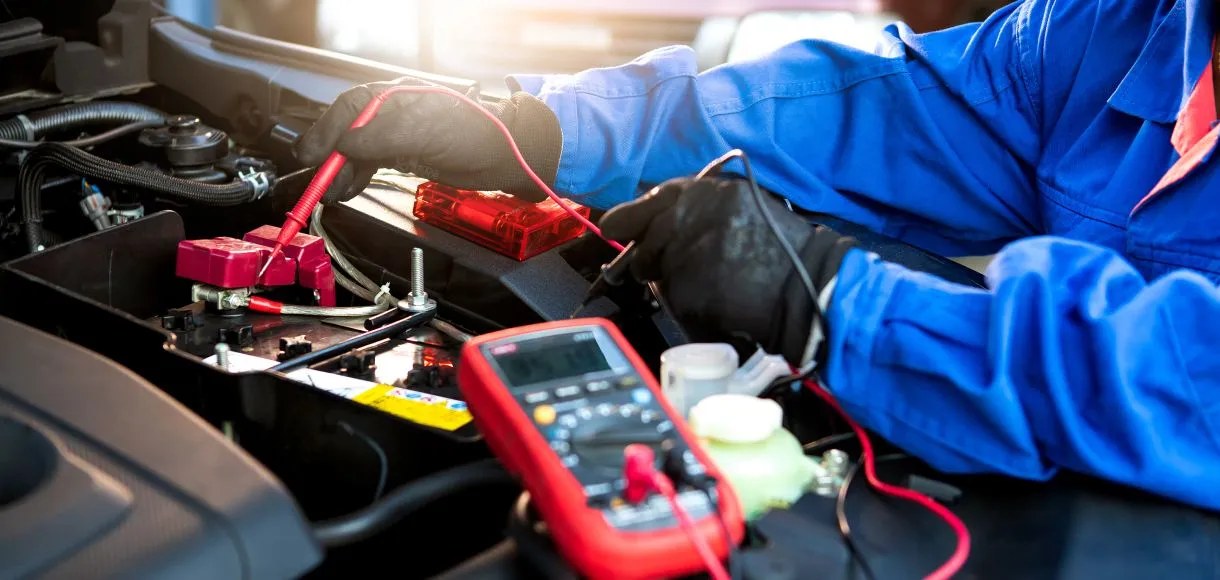
None of these sounds is a diagnosis by itself, and that is the point. Each one orders the tests. A shop will typically verify battery state of charge and condition, check voltage at the starter while cranking, and measure alternator output once the engine runs, so the whole triangle is graded in one visit.
The triangle across the year
| Season | Most likely suspect | Why the season favors it | Early warning sign |
|---|---|---|---|
| Winter | Battery | Cold oil is thicker and batteries deliver less cranking power when cold, so marginal batteries fail on the coldest mornings | Cranking that has sounded slower for a few weeks |
| Spring | Connections and grounds | Winter corrosion and damp weather raise resistance at terminals and ground straps | Intermittent clicks that vanish when cables are wiggled |
| Summer | Battery again, and alternator | Heat degrades battery plates all summer, and high electrical loads from cooling fans and AC work the alternator hardest | Battery light flickers, or starts are fine cold but weak after a hot soak |
| Fall | Starter | Starters worn by a year of heat cycles often quit as temperatures swing, and fall is when weak parts are exposed before winter | Occasional no-crank that works after a few key turns, once, then more often |
How the three failures imitate each other
A failing alternator undercharges the battery, so the morning symptom looks like a battery fault even though the battery is the victim. A starter with worn brushes or a dragging armature drains a healthy battery so hard during cranking that cables and connections get blamed. A sulfated battery can accept a surface charge from a jump, run for a day, and fail again, sending everyone back to the start. This triangle is why a reputable shop tests rather than votes. Jump-starting has its place as a rescue, but a car that needs jumps repeatedly is reporting a fault, not a habit.
What to tell the shop
Note the exact sound, whether the dash lights stayed bright, whether a jump worked, and whether the problem follows heat, cold, or a short trip. That account, plus how old the battery is, shortens diagnosis in Shelby more than any other detail. A short written note beats a vague memory of a noise, especially a noise that only happens on the first cold start of the day and will not repeat in the shop. If the vehicle is farm equipment that sat through winter, say so, because storage changes the order of suspicion toward sulfation and corroded grounds. And resist replacing just the cheapest suspect on a hunch. In a system of three, the untested part is the one that strands you next week.
Common questions
What does rapid clicking when I turn the key mean?
Usually the battery has enough charge to engage the starter solenoid but not enough to crank, often from low charge or a poor connection. It is a test-the-battery-first symptom.
Can a bad alternator stop a car from starting?
Indirectly, yes. If it has been undercharging, the battery runs down and cannot crank. The alternator itself does not crank the engine, which is why the whole system gets tested.
If a jump start works, is the starter fine?
Probably for that moment, but not proven. A jump adds power that can mask a dragging starter or bad cable, so a vehicle needing repeated jumps still needs a full test.
Photos in this guide are representative stock images.
← All guides from Willis Auto Electric← Back to Willis Auto Electric