Rebuilt is a word that covers a lot of ground. At one end, it means a unit that was cleaned, tested, and given only the part that failed. At the proper end, the kind a dedicated machine shop does, it means a starter or alternator stripped to its core, inspected piece by piece, and renewed with new wear parts throughout, then tested under load before it goes back on the vehicle.
Around Shelby, Willis Auto Electric works in a trade where rebuilding has a long history, especially for farm and older equipment where new units may be scarce or poor quality. This seasonal guide explains what a real rebuild renews, and how the Piedmont year treats these parts.
Inside a starter rebuild
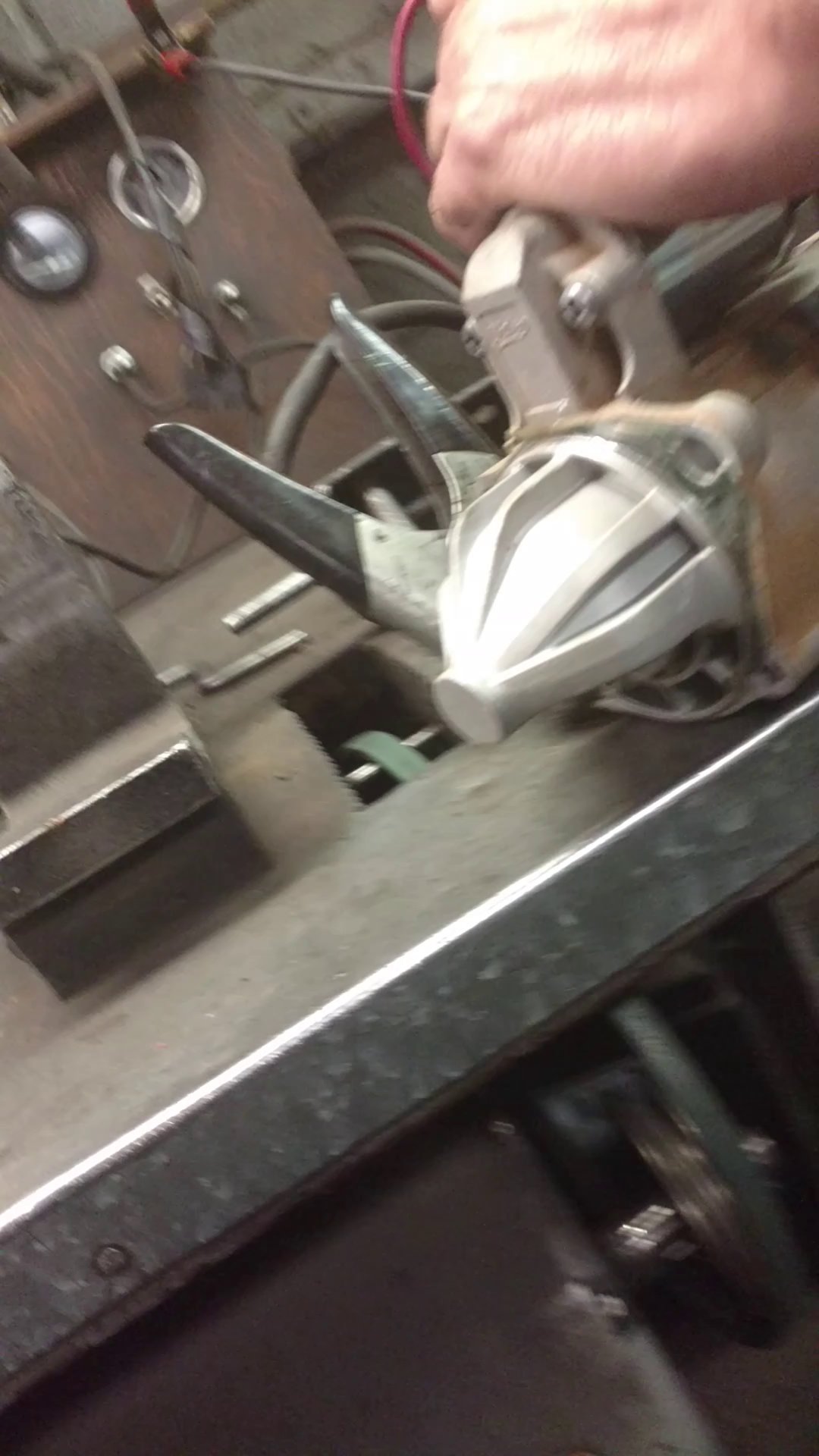
A starter motor works brutally hard for a few seconds at a time. Inside, brushes carry heavy current to a spinning commutator, bearings or bushings hold the armature true, and the solenoid and drive gear engage the flywheel. In a thorough rebuild, brushes are replaced, the commutator is cleaned and trued, worn bushings and bearings are renewed, the solenoid contacts are replaced or dressed, the drive is inspected or replaced, and the armature and field are tested for shorts and opens. Seals and hardware that have baked hard are replaced rather than reused. The finished unit is bench tested, so a fault is found on the bench, not at the customer's next cold start.
Inside an alternator rebuild
An alternator spins whenever the engine runs, so its wear story is bearings, brushes, and electronics. The rectifier, a set of diodes that converts alternating current to direct current, is a common heat failure. The voltage regulator controls output, and slip rings and brushes feed the rotor. A proper rebuild tests or replaces the rectifier and regulator, renews bearings and brushes, cleans or machines the slip rings, and load tests the unit across its speed range. Replacing only the failed diode can work for a while, but heat that killed one diode has usually aged its neighbors, which is why thorough shops renew assemblies.
Seasonal wear checklist
What the Piedmont year does to starters and alternators
- Winter: thick cold oil makes starters draw maximum current, exposing weak brushes and bushings on the coldest Shelby mornings first.
- Spring: damp weather and corrosion at terminals raise resistance, so check cable ends before blaming a rebuilt or original unit.
- Summer: underhood heat cooks alternator rectifiers and regulators, and farm equipment works its longest hours of the year.
- Summer storms: deep water and mud on rural roads contaminate starter drives and splash alternator bearings.
- Fall: equipment heading into storage should be run, checked for charge rate, and stored with batteries maintained so spring is not a no-start.
- Year round: a battery in decline makes both units work harder, so test the battery whenever either unit is serviced.
Rebuilt, remanufactured, or new
A local rebuild renews your actual unit, which matters when the vehicle is older, modified, or farm equipment with an uncommon fitment. A factory remanufactured unit goes through a similar renewal at scale and arrives off the shelf. New units range from original equipment quality to inexpensive copies with thinner materials. The right choice depends on availability, how long you will keep the machine, and whether the core is rebuildable at all, since a cracked housing or burned armature can end that option. What matters most is the thoroughness of the renewal and the bench test at the end, not the label on the box. Ask what was replaced, and a good rebuilder will answer in parts, not adjectives.
The core itself tells a story a good rebuilder reads before quoting anything. Scored bearing surfaces, a commutator worn below its service limit, or windings with heat-darkened insulation all say the unit has had a hard life and may not be a sound candidate. A clean core with ordinary wear is the opposite case, and it is common on farm equipment that worked steadily but was never abused. That inspection step, core first and promises second, is what separates a rebuild with a predictable life from a cleaned-up unit sold on hope, and it costs nothing but a few minutes on the bench.
Common questions
Is a rebuilt starter as good as a new one?
A thoroughly rebuilt unit with new wear parts and a load test can serve as long as a typical replacement. Quality depends on what was renewed, so ask for the parts list.
Why rebuild instead of replace on farm equipment?
Fitment and availability. Older tractors often use units that are scarce new or only available as poor copies, while the original core is well made and rebuildable.
What usually fails first in an alternator?
Bearings, brushes, and the rectifier diodes are the common wear and heat failures. A full rebuild addresses all three rather than only the part that stopped working.
Photos in this guide are representative stock images.
← All guides from Willis Auto Electric← Back to Willis Auto Electric